Sherwood Recruiting / Case study
The AFEELA U.S. launch: 48 hires, no agencies.
A new vehicle brand, a U.S. launch on the calendar, and one recruiter inside the company. This is how the team got built.
A launch date, and no recruiting function
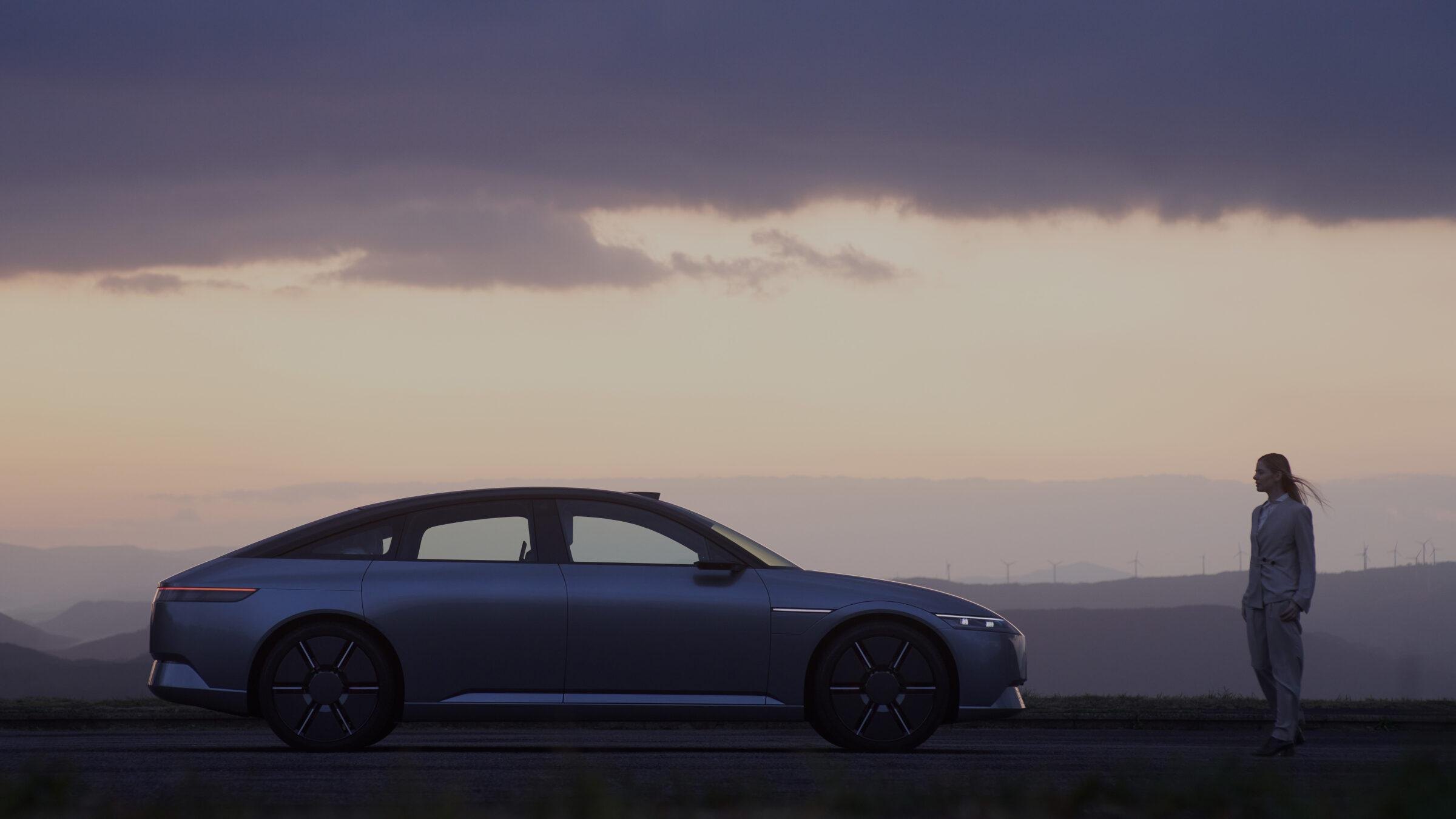
Sony Honda Mobility of America is the U.S. arm of the joint venture between Sony and Honda, formed to launch the AFEELA electric vehicle. When Larry Sherwood joined in early 2025 as the first dedicated recruiter, the U.S. company had about thirty employees and a launch to staff.
Until then, hiring ran through the HR manager and outside agencies, for every role, not only engineering. The applicant tracking system existed, but it was running at its defaults. The roles ahead were not one kind of hire: validation and quality engineers, service and parts leaders, customer engagement teams, marketing, finance, IT, legal, and several roles that needed fluent Japanese.
A car built like a computer, by Sony and Honda
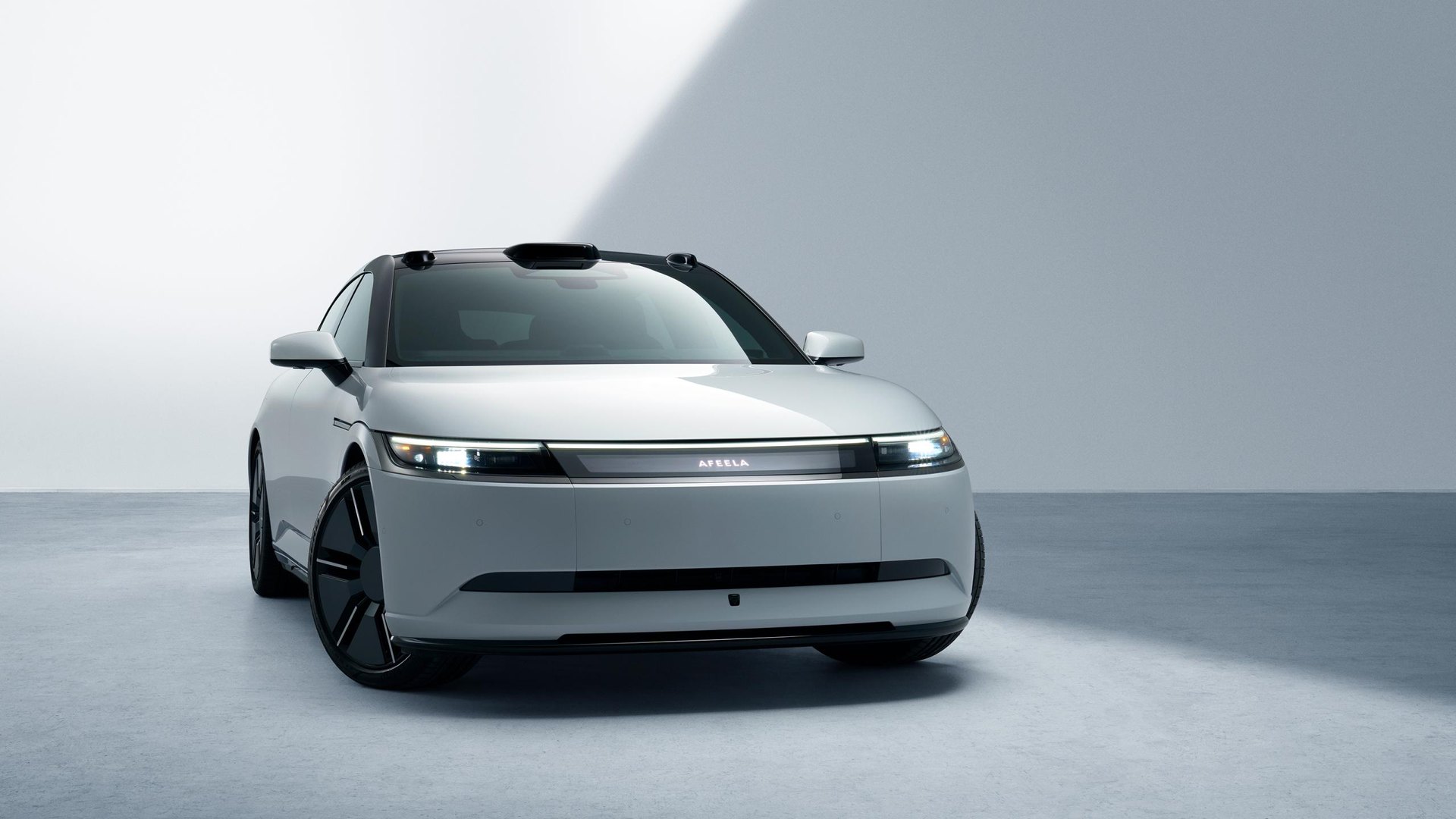
AFEELA began as Sony's idea. Sony showed its Vision-S concept car at CES 2020, and in 2022 Sony and Honda formed Sony Honda Mobility to put Sony's sensors, software and entertainment on a Honda-built foundation. The AFEELA brand and its first prototype debuted at CES 2023. The production car, the AFEELA 1, was revealed at CES 2025 in January, weeks before Larry joined.
The car was designed around software from the start:
- Sensing and compute. Forty sensors on the AFEELA 1, including cameras, LiDAR, radar and ultrasonic sensors, fed an onboard computer rated at up to 800 TOPS.
- Driver assistance. AFEELA Intelligent Drive, the company's own system for perception, prediction and planning, was built to cover a trip from the departure point to parking at the destination. At the brand's debut the company set its targets at Level 2+ assistance in wide-ranging conditions and Level 3 automated driving in specific conditions.
- AI in the cabin. The AFEELA Personal Agent, a conversational assistant developed with Microsoft's Azure OpenAI Service, handled voice control, conversation and proactive suggestions.
- Game-engine graphics. Epic Games' Unreal Engine rendered the driver assistance view and maps across a pillar-to-pillar display, with each seat getting its own screen and the software improving through over-the-air updates.
- The PlayStation connection. At CES 2024 the car drove onto the stage under the control of a PS5 DualSense controller, alongside a collaboration with Polyphony Digital, the studio behind Gran Turismo. In December 2025 the company announced the AFEELA 1 would be the first car with PS Remote Play, streaming a home PlayStation to the car's screens.
- A car that talks to the street. The Media Bar across the front could show messages to people outside the car.
Production was set for Honda's plant in East Liberty, Ohio, where trial production began in January 2026. The team Larry built had to match the product: engineers and validation specialists for the car, and service, parts and customer teams ready to support a new kind of car.
Every search came in house on day one
The first decision was the simplest: no more agencies. Every open search moved in house, and no agency was used again for the rest of the program.
The second was to make the system work for the hiring managers instead of around them. The ATS was built out around what each manager said a great hire looked like, in their own words, so screening and interviews measured the same thing. Nineteen hiring managers, from vice presidents to team leads, ran their searches through one recruiter and one process.
The first hire started six weeks after Larry arrived.
Direct sourcing, and the whole picture on the first call
- Direct sourcing. Candidates were found and approached directly, including engineers and quality specialists with long, stable careers at established automakers.
- The whole picture, first. Every candidate heard how the company paid, what it could and could not offer, and the honest risks of joining a launch in the first conversation. That is why 48 of 49 offers were accepted: nothing surprised anyone at the end.
- A steady cadence. Hiring managers had weekly video check-ins, prepared shortlists and follow-up between meetings. Larry worked remotely, on site only in the first week to meet the team and for key milestones.
- Speed without shortcuts. On average, 14 days to source a slate, 27 days from first contact to hire, and 42 days from opening a role to filling it.
Every function, not only engineering
Forty-eight hires across nine functions, from hourly showroom roles to Managing Counsel. U.S. headcount more than doubled. About $1.5M in agency fees were avoided over the twelve months, calculated on the first-year salaries of the hires at a standard agency fee.
The clearest signal came from the hiring managers themselves. Five of them had already hired with Larry at Fisker, and chose to do it again. Ten of the company's leaders, including the VP of People Operations, the VP of Engineering and the General Counsel, wrote formal reference letters. Every one of them said location never limited the results. Read all ten letters.
“Although Larry worked primarily remotely, his impact was no different from someone embedded onsite every day.”
“This was the most effective recruiter partnership I have experienced.”
“What impressed me most was Larry's ability to quickly understand exactly what kind of engineers we needed in a very competitive autonomous and ADAS talent market, and then deliver strong candidates with remarkable speed and accuracy.”
The 48 hires by start month
From the first start, six weeks after Larry arrived, to the last before the program wound down.
| March 2025 | 1 |
|---|---|
| April 2025 | 2 |
| May 2025 | 4 |
| June 2025 | 2 |
| July 2025 | 6 |
| August 2025 | 3 |
| September 2025 | 7 |
| October 2025 | 1 |
| November 2025 | 7 |
| December 2025 | 1 |
| January 2026 | 4 |
| February 2026 | 8 |
| March 2026 | 2 |
The 48 hires by team
In 2026, Honda wound down its North American EV program, and the U.S. operation with it. The hiring record stands on its own.
The same work, on your calendar
The launch team build
Twenty to fifty hires against a launch date, planned backward from the date, with the agency bill removed from the start.
The stalled-search reset
The specialized role that will not close, reworked with the hiring manager and sourced directly, the way the quality and engineering roles were filled here.
The first hire in talent
An ATS built around how your managers hire, a process that holds, and the first hires made, then handed over working.
Next case studies: Fisker, 408 hires in 24 months and Gurley Leep Automotive, 782 hires in 29 months. All of them: case studies.